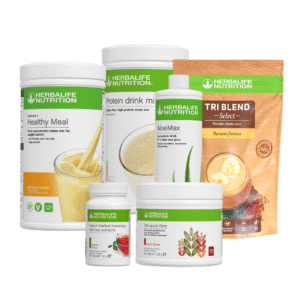

Weight Loss Shakes: A Beginner’s Guide to Healthy Results
If you’re trying to lose weight, you’ve probably seen “weight loss shakes” everywhere. Some people love them, others think they’re a gimmick. The truth is: a weight loss shake can be a genuinely helpful tool – if it’s used the right way.
This guide explains what weight loss shakes are, who they’re best for, what to look for in a good shake, and how to use them as part of a balanced routine.
What are weight loss shakes?
Weight loss shakes are typically high-protein drinks designed to replace a meal or snack. The goal is to make it easier to control calories while still getting key nutrients.
In the UK, many people use shakes for:
- Busy mornings
- Portion control
- Increasing protein intake
- Reducing snacking and cravings
Do weight loss shakes work?
They can—because they simplify your routine.
Most people don’t struggle with weight loss because they “don’t know what to do.” They struggle because:
- They’re too busy to cook consistently
- Portions creep up
- They snack when stressed or tired
A shake can help by giving you a quick, consistent option that supports a calorie deficit.
What to look for in a good weight loss shake
Not all shakes are equal. A strong option usually includes:
1) Enough protein
Protein helps you feel full and supports muscle while you lose fat.
2) Fibre (or a fibre add-on)
Fibre supports digestion and helps keep cravings down.
3) A sensible calorie range
For a meal replacement, many people do well with a shake that fits their overall daily target (rather than being extremely low-calorie).
4) A balanced approach
A shake should support your nutrition—not replace real food all day.
How to use shakes for weight loss (simple routine)
Here are three practical ways to use shakes without overcomplicating things:
Option A: Replace breakfast
- Shake + water
- Add berries or a banana
- Add chia/flax for fibre
Option B: Replace lunch (busy days)
- Shake
- Plus a side: salad, fruit, or a handful of nuts
Option C: Use as a high-protein snack
- Mid-afternoon shake to prevent evening overeating
Common mistakes (and how to avoid them)
- Using a shake but still snacking constantly: plan 1–2 snacks max.
- Not eating enough protein later: keep dinner protein-focused.
- Skipping fibre: add veg at meals and include chia/flax/berries.
- Relying on shakes only: aim for at least one whole-food meal daily.
A simple “fat loss plate” for your main meal
If you’re using a shake for one meal, make your main meal look like this:
- 1/2 plate vegetables
- 1/4 plate protein
- 1/4 plate carbs (or extra veg)
- Add healthy fats (olive oil, avocado, nuts) in measured amounts